What is startup mentoring? Everything Startup Founders Need to Know
What is startup mentoring? Startup mentoring is a structured relationship in which an experienced entrepreneur, founder, or industry expert helps startup founders make better decisions, avoid common mistakes, and accelerate business growth. Rather than providing ready-made answers, mentors share experience, challenge assumptions, and help founders navigate uncertainty at every stage of building a startup.
What Is Startup Mentoring?
Startup mentoring is a structured, long-term relationship in which experienced entrepreneurs, founders, or industry experts help startup founders make better business decisions, validate ideas, overcome challenges, and accelerate business growth.
A startup mentor typically helps founders:
- Validate business ideas before investing significant resources.
- Make informed strategic decisions.
- Learn from real-world entrepreneurial experience.
- Avoid common startup mistakes.
- Build leadership, problem-solving, and decision-making skills.
- Expand professional networks and identify new opportunities.
Unlike consulting, which focuses on solving a specific business problem, startup mentoring focuses on developing the founder. Rather than providing ready-made answers, mentors challenge assumptions, share practical insights, and help entrepreneurs build the confidence and judgment needed to grow a successful startup.
Why Startup Mentoring Matters
Building a startup requires founders to make constant decisions. Startup mentoring helps reduce uncertainty by providing experienced guidance throughout the journey.
Some of the biggest benefits include:
Better Decision-Making
Mentors help founders evaluate opportunities objectively instead of making emotional decisions.
Avoiding Costly Mistakes
Experienced mentors often recognize risks before they become expensive problems.
Learning from someone else’s experience is often faster than learning through failure.
Faster Learning
Mentors shorten the learning curve by sharing practical knowledge gained from building businesses.
Instead of spending months discovering solutions independently, founders can benefit from proven experience.
Greater Accountability
Regular mentoring sessions encourage founders to stay focused, measure progress, and follow through on important priorities.
Stronger Networks
Many mentors introduce founders to investors, customers, partners, and industry experts that would otherwise be difficult to access.
Startup mentoring is not simply about advice.
It accelerates learning while reducing unnecessary risk.
Related Reading: How to Validate an Idea for a Startup: A Step-by-Step Guide Before Building Your Product
Startup Mentor vs Coach vs Advisor vs Consultant
These roles are often confused, but they serve different purposes.
Role | Primary Focus |
Mentor | Shares experience, provides guidance, and supports long-term founder development. |
Coach | Improves personal performance, leadership, and specific skills through structured coaching. |
Advisor | Provides specialized expertise in areas such as finance, legal matters, or technology. |
| Consultant | Solves specific business problems by delivering recommendations or executing projects. |
While all four roles can provide value, startup mentoring focuses on helping founders develop better judgment rather than making decisions for them.
What Does a Startup Mentor Actually Do?
Many founders believe mentors give advice.
In reality, effective startup mentors perform several important roles throughout the startup journey.
They help founders:
- Challenge assumptions
- Validate business ideas
- Review business strategies
- Improve decision-making
- Expand professional networks
- Prepare for investor meetings
- Strengthen leadership skills
- Navigate business challenges
Perhaps most importantly, a mentor asks better questions rather than providing all the answers.
Good mentoring encourages founders to think critically and become independent decision-makers.
The Role of a Mentor at Each Startup Stage
The role of a startup mentor evolves as the business grows. Founders face different challenges at each stage, and effective mentoring adapts to those changing needs.
Startup Stage | How a Mentor Helps |
Ideation | Refines the idea, validates the problem, and identifies opportunities. |
Validation | Guides customer discovery, interviews, and demand testing. |
MVP Development | Helps prioritize features and avoid unnecessary development. |
| Product-Market Fit | Analyzes customer feedback and improves retention. |
| Growth | Supports hiring, leadership, marketing, and scaling decisions. |
| Scale | Focuses on strategy, organizational growth, and long-term sustainability. |
Every stage presents new decisions, making continuous mentoring valuable throughout the startup journey.
Related Reading: What are the 7 Stages of a Startup? From Idea to Scale
When Does a Startup Need a Mentor?
Many founders believe mentoring becomes valuable only after launching a business.
In reality, mentoring can provide value from the earliest stages.
A startup may benefit from a mentor when:
- Refining a business idea
- Validating customer demand
- Building an MVP
- Preparing for fundraising
- Hiring the first employees
- Entering new markets
- Scaling operations
The earlier founders receive experienced guidance, the more costly mistakes they can often avoid.
How to Choose the Right Startup Mentor

Not every successful entrepreneur is the right mentor.
The best mentors have relevant experience and understand the founder’s goals and challenges.
When choosing a startup mentor, consider:
Relevant Experience
Look for mentors who have built or managed businesses similar to yours.
Industry Knowledge
Industry-specific experience often provides more practical guidance than general business advice.
Communication Style
A good mentor listens carefully, asks thoughtful questions, and provides honest feedback.
Availability
Effective mentoring requires regular conversations and ongoing support.
Shared Values
Strong mentoring relationships are built on trust, respect, and aligned expectations.
Choosing the right mentor is often more important than choosing the most well-known one.
Signs of a Great Startup Mentor
Strong startup mentors help founders think more clearly rather than simply telling them what to do.
Great mentors typically:
- Ask thoughtful questions
- Challenge assumptions
- Share relevant experience
- Give honest feedback
- Encourage independent thinking
- Listen more than they speak
- Celebrate progress while identifying risks
Their goal is to develop better founders, not create dependency.
Signs of a Bad Startup Mentor
Not every mentoring relationship creates value.
Warning signs include:
- Giving generic advice.
- Dominating every conversation.
- Trying to make decisions for the founder.
- Relying on outdated experience.
- Focusing more on personal stories than the founder’s challenges.
- Offering opinions without understanding the business.
A mentor should expand a founder’s thinking, not limit it.
How to Get the Most Value From Mentoring

Successful mentoring depends on both the mentor and the founder.
Before each session:
- Prepare specific questions.
- Share recent progress.
- Identify current challenges.
During the session:
- Listen actively.
- Ask follow-up questions.
- Take notes.
After the session:
- Apply what is relevant.
- Measure results.
- Review progress during the next meeting.
Mentoring creates value through execution, not conversation alone.
Measuring the Success of Startup Mentoring
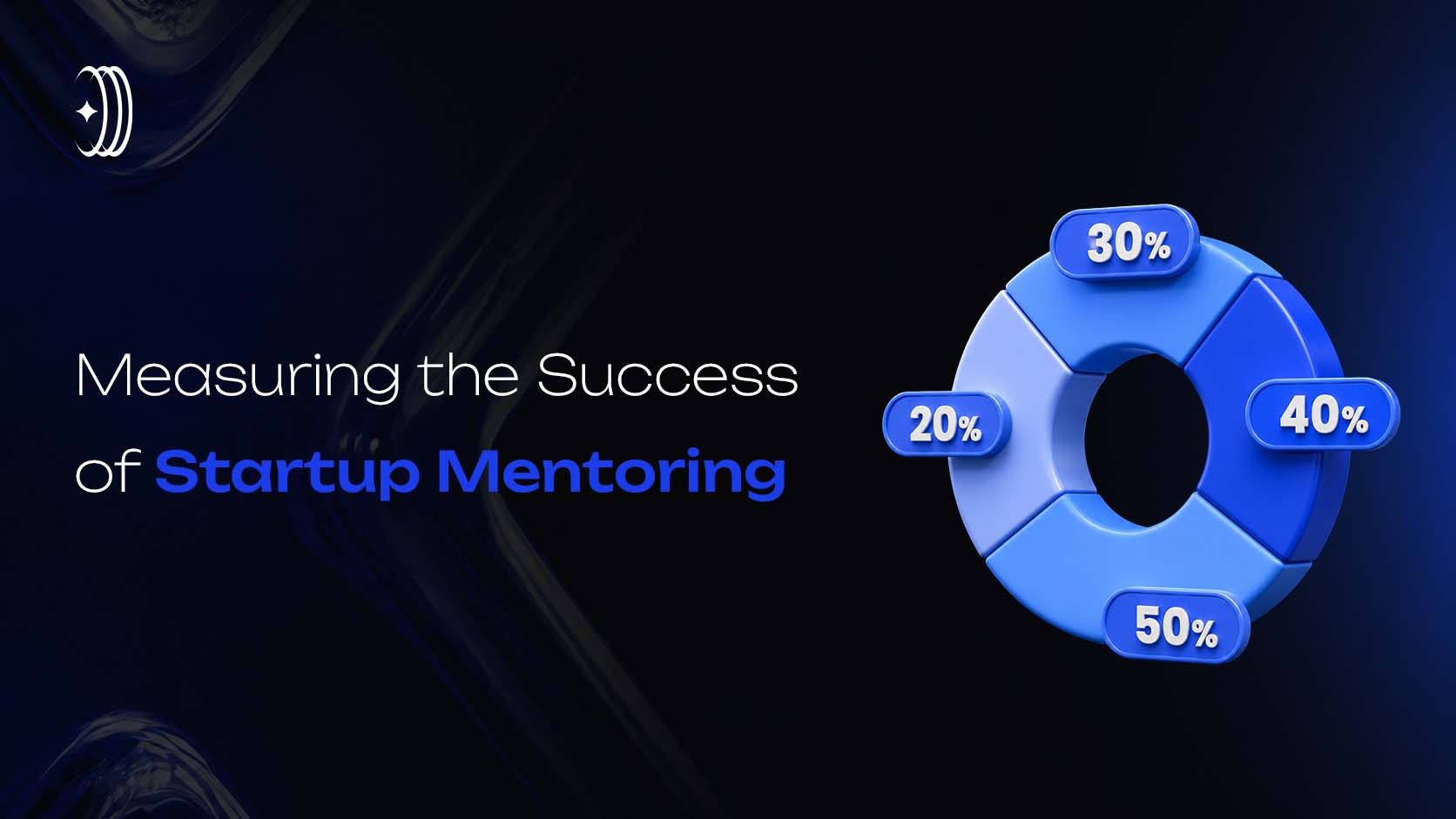
Effective mentoring should produce measurable improvements over time.
Useful indicators include:
- Faster decision-making
- Better customer validation
- Improved product strategy
- Stronger leadership
- Higher execution speed
- Reduced costly mistakes
- Sustainable business growth
The success of mentoring should be measured by business progress, not by the number of meetings.
Common Startup Mentoring Mistakes
Founders often reduce the value of mentoring by making avoidable mistakes.
Some of the most common include:
- Expecting mentors to solve every problem.
- Ignoring constructive feedback.
- Meeting without preparation.
- Asking broad or unclear questions.
- Choosing mentors based only on reputation.
- Seeking confirmation instead of honest criticism.
The best founders use mentoring to challenge their thinking, not to validate every decision.
Madaar Startup Mentoring Framework
At Madaar, we believe mentoring should go beyond sharing advice. It should help founders make better decisions at every stage of building a startup.
Our mentoring framework combines strategic guidance with practical execution to reduce risk and support sustainable growth.
1. Discover
We help founders understand the market, identify customer problems, and evaluate business opportunities before developing a solution.
2. Validate
Every idea is tested through customer research, market analysis, and demand validation to ensure decisions are based on evidence rather than assumptions.
3. Plan
Once the opportunity is validated, we help founders define their business model, positioning, growth strategy, and execution roadmap.
4. Build
Mentoring continues throughout product development by helping founders prioritize features, review progress, and make informed product decisions.
5. Launch
Before entering the market, we support founders with pricing, messaging, customer acquisition, and go-to-market planning.
6. Grow
As the startup gains traction, mentoring focuses on improving customer retention, operational efficiency, leadership, and scalable growth.
Our goal is not simply to help founders launch businesses.
Our goal is to help them build businesses that can continue growing long after launch.
Frequently Asked Questions: What is startup mentoring?
What is startup mentoring?
Startup mentoring is a long-term relationship in which an experienced entrepreneur or business leader helps founders make better decisions, avoid common mistakes, and navigate the challenges of building a startup.
Why is startup mentoring important?
Startup mentoring helps founders reduce uncertainty, learn from real experience, improve decision-making, and avoid costly mistakes that often slow business growth.
What does a startup mentor do?
A startup mentor provides strategic guidance, shares practical experience, challenges assumptions, reviews business decisions, and supports founders throughout different stages of their startup journey.
When should a startup find a mentor?
Founders can benefit from mentoring at any stage, but it is especially valuable during idea validation, product development, fundraising, and early growth.
What is the difference between a startup mentor and a business coach?
A startup mentor shares experience and provides long-term guidance based on real-world knowledge, while a coach focuses on improving specific skills or performance through structured coaching.
How do I choose the right startup mentor?
Look for someone with relevant industry experience, strong communication skills, and a mentoring style that aligns with your business goals and stage of growth.
Can startup mentoring guarantee success?
No. Mentoring does not guarantee success, but it helps founders make more informed decisions, reduce risk, and improve their chances of building a successful business.
How often should founders meet with a mentor?
The ideal frequency depends on the startup stage, but many founders benefit from regular meetings every two to four weeks to review progress and discuss key decisions.
What is startup mentoring? It is far more than receiving business advice. Effective mentoring helps founders make better decisions, validate assumptions, and navigate challenges with greater confidence.
The strongest founders recognize that experience is one of the most valuable competitive advantages. By learning from mentors who have already faced similar challenges, they can avoid common mistakes, accelerate learning, and focus on building sustainable businesses.
Whether you are validating an idea, launching an MVP, or preparing to scale, the right mentor can help you move forward with greater clarity and confidence.